10 Dark UX Patterns: Deceptive Strategies to Manipulate Users
In the world of user experience (UX) design, the primary goal should be to create intuitive and enjoyable interfaces that facilitate users' interaction with digital products. However, there are some malicious practices that...
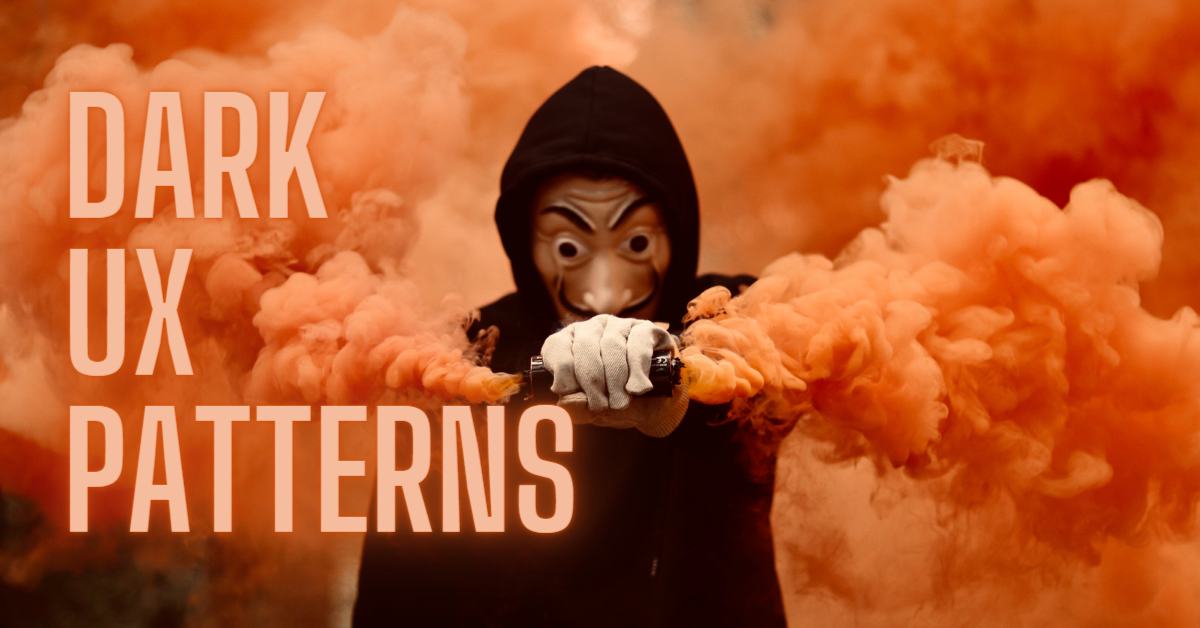
In the world of user experience (UX) design, the primary goal should be to create intuitive and enjoyable interfaces that facilitate users’ interaction with digital products. However, there are some malicious practices that exploit human psychology to deceive users and push them to take undesirable actions. These strategies are commonly known as “Dark UX Patterns.” In this article, we will explore 10 evil types of Dark UX Patterns that we should be aware of and combat.
- Tricky Trappings:
This pattern relies on the use of deceptive or confusing graphical elements to push users into unwanted actions. For example, buttons that appear to be free downloads but actually initiate payments, or pop-ups that hide the close button.
- Forced Continuity:
This pattern compels users to engage in subscriptions or paid services without offering them a clear way out. Often, cancellation options are hidden or difficult to find, forcing users to pay for services they no longer wish to use
- Sneaky Subscriptions:
Here, users are deceived or induced to subscribe to services without it being made apparent. This can happen through pre-selected checkboxes or ambiguous text that leads users to believe they are making a different choice.
- Hidden Costs:
This pattern deliberately hides additional costs during the purchasing process. For example, showing the base price of a product but adding shipping costs or fees later, often only in the final payment stage.
- Misdirection:
Here, users’ attention is diverted from important elements towards unwanted actions or content. For example, strategically placing advertisements or social media sharing buttons to induce users to accidentally click on them.

- Urgency:
This pattern exploits users’ fear or anxiety by creating a sense of urgency to push them into making hasty decisions. For example, displaying rapidly running timers or stating that an offer is available for a limited time only.
- Confirmshaming:
Here, users are prevented from canceling an action or choice in an inconvenient or embarrassing manner. For example, using phrases like “No, I don’t want to save money” instead of “Cancel” to make it seem like the user is making the wrong choice.
- Privacy Zuckering:
This pattern exploits the lack of transparency in privacy policies to collect personal data without explicit user consent. For example, pre-selecting options for sharing sensitive data or using invasive default settings.
- Disguised Ads:
Here, advertisements are disguised to appear as integral content. Users may not realize they are clicking on ads instead of desired navigation elements or actions.
- Forced Actions:
This pattern compels users to take undesired actions to access specific content or functionality. For example, requiring the sharing of personal information on social media to continue using an app or website.
Conclusion:
While user experience design should prioritize user satisfaction, it is important to be aware of malicious practices used to manipulate users. Recognizing and combating the 10 evil types of Dark UX Patterns can help promote a more ethical and user-respectful digital environment. Designers must strive to create positive experiences that prioritize users’ needs, avoiding the use of such deceptive strategies.