USERS AND ROLES
Design who can do what
Roles, permissions, journeys and priorities are defined before the interface, so each user can focus on what their workflow actually requires.
WEB HUB
I design web experiences that go beyond a standard website: private areas, dashboards and platforms shaped around real workflows, access needs and the information they need to handle.

THE STARTING POINT
Some projects need to do more than present content. They need to let people sign in, find information, complete tasks, view data or use different features according to their role.
In these cases, functional architecture and user flows come first, followed by the interfaces and integrations the project needs.
USERS AND ROLES
Roles, permissions, journeys and priorities are defined before the interface, so each user can focus on what their workflow actually requires.
INTERFACE AND DATA
Dashboards, APIs and data sources are integrated into the frontend so information is clear, usable and relevant to its context.
WEB HUB
Functional architecture, UX/UI design and frontend development for portals, private areas, dashboards and platforms with structured workflows, roles and integrations.
A conceptual map of the service: user journeys differ by role and connect to the features and data defined for the project.
access and tasks for their role
access and tasks for their role
integration with the project’s chosen authentication system
relevant permissions and features
relevant permissions and features
overview and tools for role A
overview and tools for role B
actions, states and operational flows
data exchange with the services and systems in scope
databases and information connected as defined by the architecture
THE PROJECT JOURNEY
users · goals · requirements
roles · permissions · flows
dashboards · states · interactions
components · UI logic · integrations
endpoints · data flows · external services
roles · flows · responsive · accessibility
deployment · final checks
THE OUTCOME
SERVICE SCOPE
TECHNOLOGY
Technologies and services are chosen after defining users, roles, data and workflows. The frontend can connect to existing or planned APIs, databases and authentication services as part of the project architecture.
Next.js is my main frontend stack; integrations are selected to fit the platform’s actual needs.
HOW I WORK
Users, roles, needs, data and goals.
Workflows, permissions, screens and how features relate.
UX/UI, frontend and integrations.
QA for workflows and roles, responsive review and launch.
COLLABORATION
If the platform calls for specialist backend development, infrastructure or other skills outside my scope, I can work with other professionals while coordinating the user experience and frontend work.
When a project requires complementary expertise, I can work alongside the professionals of Mitha Creative, with clear roles and responsibilities throughout the project.
Discover Mitha Creative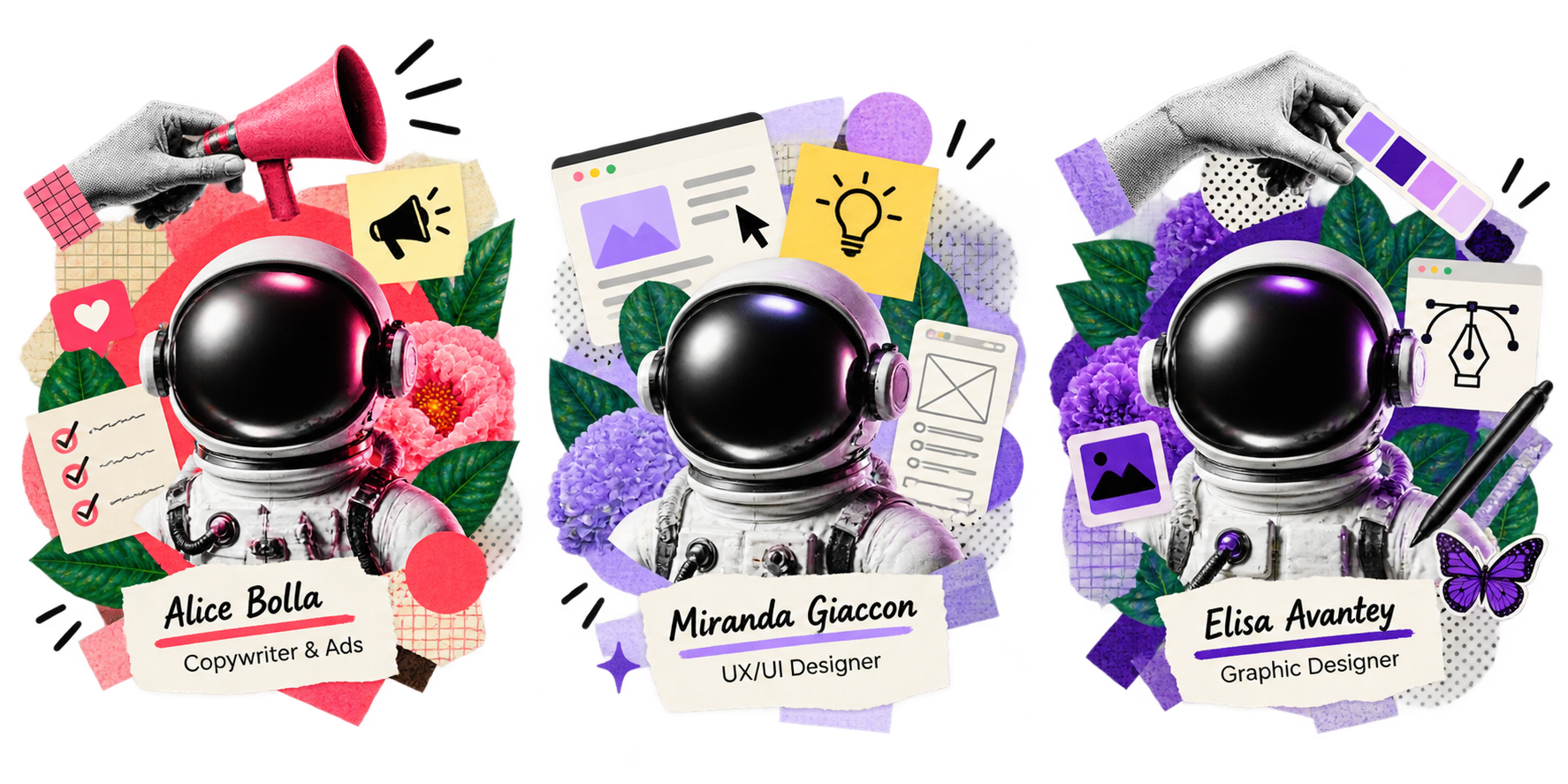
FAQ
It may share technologies with a website, but it is designed for projects with more involved users, access, features, data or workflows.
Yes. Private areas, dashboards and role-specific journeys are among the service’s use cases.
Authentication, authorization and role-based access can be integrated when the project architecture calls for them.
The service focuses on experience design and frontend development. Backend needs are defined for each project and may require dedicated services or specialist skills.
Yes. When the architecture calls for it, the frontend can work with databases and data sources through appropriate services or APIs.
Yes. Integrations are assessed against the workflows, data and documentation of the services involved.
Accessibility is considered in interface design and development. A full Accessibility Audit has its own dedicated scope.
Support and maintenance can be agreed separately to fit the platform’s complexity and needs.
LET’S TALK ABOUT YOUR PROJECT
We can start with users, roles, data and features to work out the structure it actually needs. The scope and quote depend on your goals, required features and the project’s complexity.